
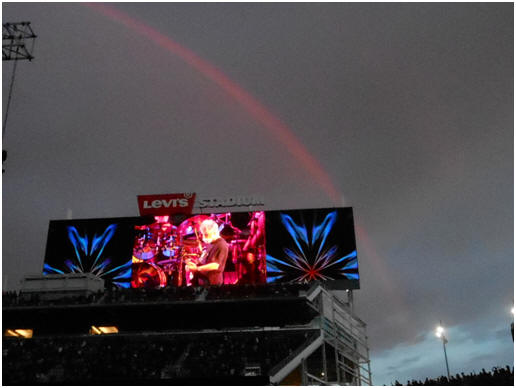
"The rainbow was real."
--Paul Hoffman, Lighting Director for the Grateful Dead
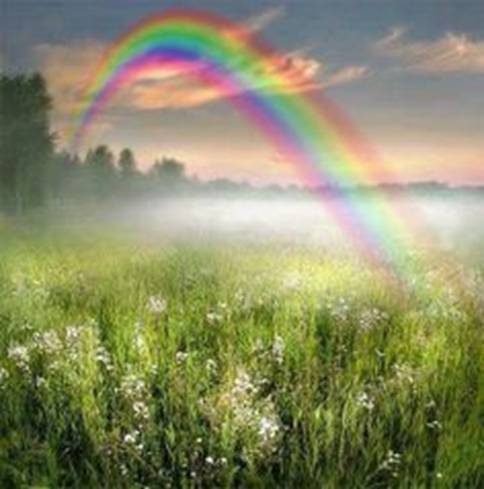
According to news reports that surfaced after this rainbow occurred in Santa Clara, California on June 27, 2015 during The Grateful Dead's Fare Thee Well show, it was unbelievable to some reporters who raised speculation it was a contrived event. There was a magnificent rainbow arching over the entire stadium, with perfect timing showing up during the final song of their first set on this first night of "Fare Thee Well", and morphing into a double rainbow. Billboard.com stated it was not Divine intervention or Mother Nature's unusual weather. One report claimed The Grateful Dead spent $50,000 to stage this rainbow. An ABC News report stated it was possible. "What a great way to create a buzz, for a run of shows that have been nothing if not buzz-worthy from their very first announcement." After all, the Merry Pranksters were there. According to reports, The Grateful Dead orchestrated this rainbow by placing 600 special lights on a building two miles away. Of course they had to bring in the cloud cover, and a few raindrops fell on this crowd in a rainless drought-stricken time, and for the climax, a spectacular incredible sunset fills the sky. Billboard did a retraction by quoting a Deadhead, "This is the band that jams with God."
.jpg)
Promoter Bill Graham famously said of The Grateful Dead
"They're not the best at what they do, they're the only ones that do what they do."
 Quest for
the Best
Quest for
the Best
An Intimate Connection with
THE GRATEFUL DEAD
by Uncle John
"What I want to know
Where does the time go?"
(Robert Hunter/Jerry Garcia)
"Lord, the band kept us so busy, we forgot about the time."
(John Perry Barlow/ Bob Weir)
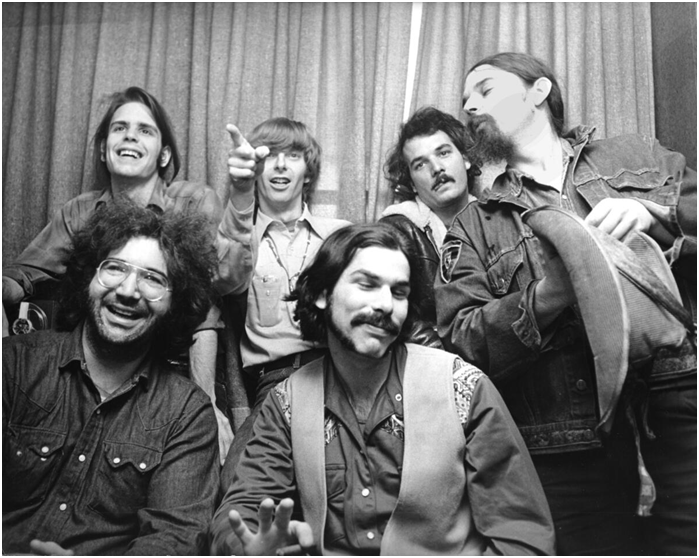
This work is a contemporary narrative with a musical motif, narrated by the author with personal testimony, and dialogue with artists, authors, musicians, dancers, singers, poets, songwriters, and stars. This journalistic odyssey observes the world's most interesting band, whose brilliant creative performances, and individual intellectual insight, provide us with this historical literary account. On the road & at home with The Grateful Dead and their family of bands and musical company, this book records a distinctive recital of spiritual events, revealing a new orchestrated portrait, a sculptured arrangement of golden memories. There is nothing like a Grateful Dead concert! It is a unique and unconventional experience.
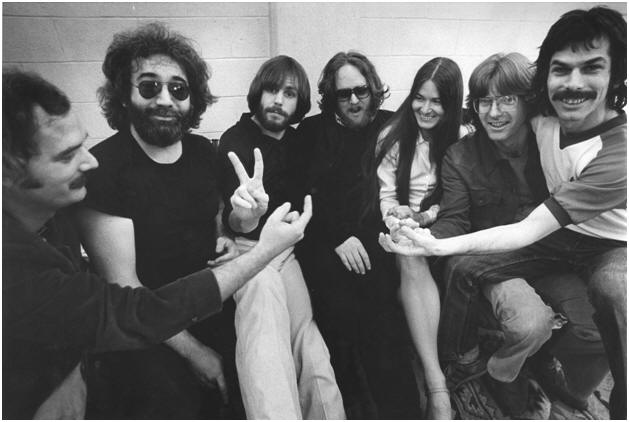
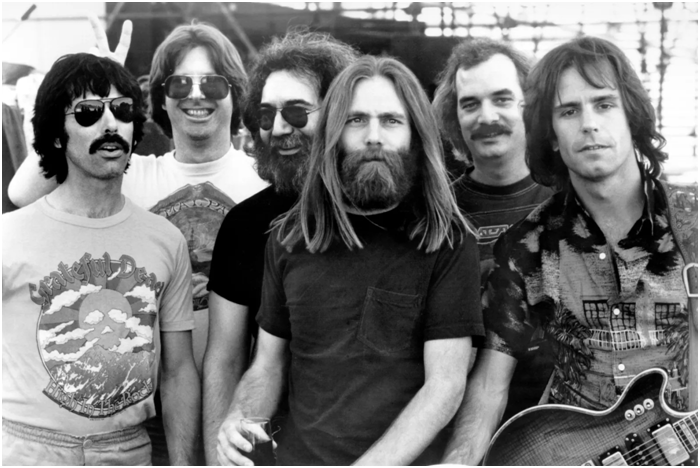
Excerpts
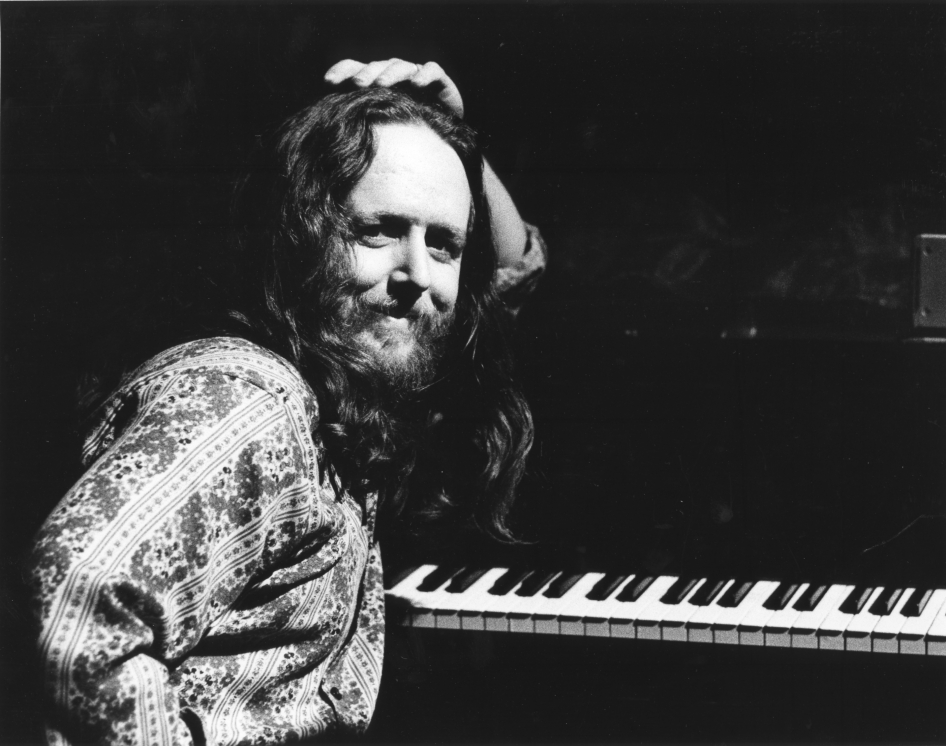
KEITH GODCHAUX
STUDIO R
I am visiting Grateful Dead members Keith & Donna Godchaux at their home in Stinson Beach. Keith asks me if I would like to join him in Studio R, adjacent to his home. I follow Keith and sit with him at his grand piano. He says that whenever The Grateful Dead are off the road, Jerry Garcia, who lives down the street from them, would come over and the three of them would come in here to play old gospel songs-
I ask Keith, "Do you believe in magic?".
"Definitely!" he answers. There is a deck of cards on top of his piano that I pick up. I cut the deck and show him a card.
"Is that you, Keith?" I ask, and he gestures with his hand and arm to the giant poster on the wall, an image of Jesus Christ.
I look at the card. It´s the King of Hearts.
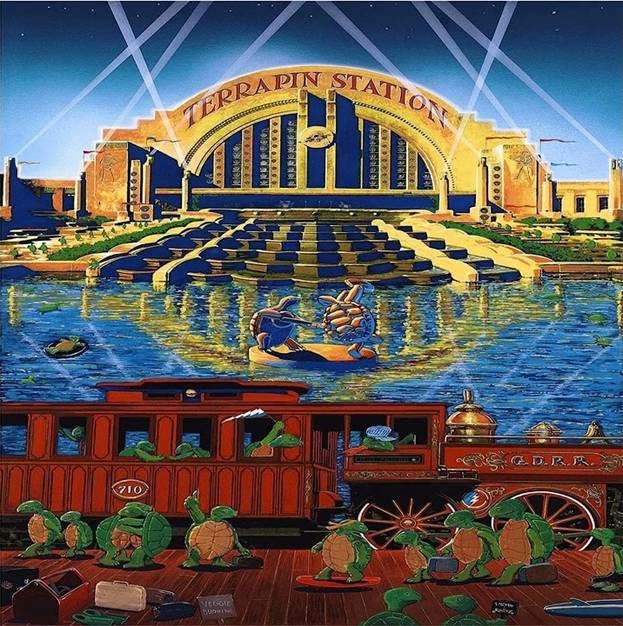
The release of “Terrapin Station”, a lyrical, musical, & artistic masterpiece, a suite of songs, by lyricist Robert Hunter & musical genius Jerry Garcia,
gives birth to an extended Grateful Dead web of family bands and lyricist Robert Hunter and Comfort come on the scene as a new band.
COMFORT IN A COWBOY TOWN
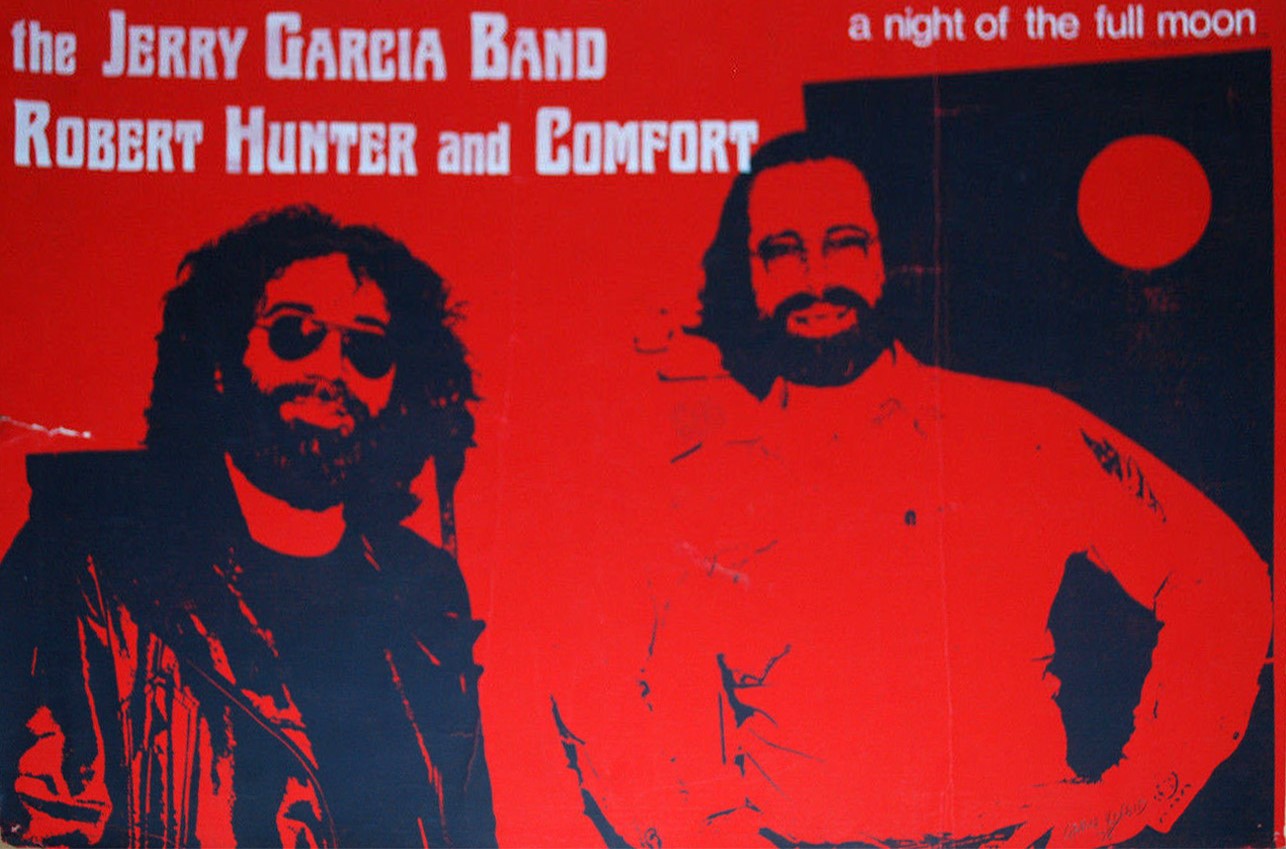
Robert Hunter & COMFORT
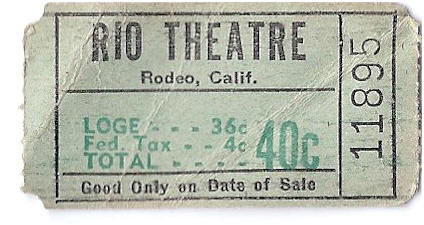
Rio Theatre, Rodeo, California
Robert Hunter & Comfort
Robert Hunter - vocals, guitar
Rodney Albin - violin, mandolin
Ozzie Ahlers - keyboards
Kathleen Klein - vocals
Larry Klein - bass
Pat Lorenzano - drums
Marlene Molle - vocals
Kevin Morgenstern - lead guitar
Rodeo is a cowboy town. The locals crowd the bar down the street from the Rio Theatre at a place called “The Marquee” where the ladies in their refined dresses and men in their cowboy casuals, dance to a decent imitation of Waylon Jennings between pizza and beer.
Comfort´s country jazz and rock ´n roll is gratefully acknowledged by a full house this evening in the expansive Rio Theatre, and the honky-tonk dance floor is active. The acoustics blend well in the snug environment here.
Robert Hunter arrives backstage dressed in an English overcoat and Irish scarf. He is the meticulous picture of a perfect country gentleman. He changes into casual clothes before the performance.
Comfort, already a proven band of its own, is an accomplished act with songwriter Robert Hunter on board.
Larry Klein is an innovative six string bass guitar player. He and lead guitarist, Kevin Morgenstern, mold a powerful sound in a creative and spellbinding musical arrangement.
Rodney Albin´s the band´s utility player. He´s an ace on the fiddle, and entertains us on banjo and mandolin too. He´s been playing music in the Bay area for a long time, a showman with endless talent, and is known in his neighborhood as “The Wizard of Page Street” and “Mayor of Haight Street”.
I am standing behind the curtain with Kathleen Klein and Marleen Molle, the vocalists, who are watching for their cue to go onstage.
Before the show begins, someone from the audience shouts out “North To Alaska” and Rodney Albin picks up Hunter´s guitar and plays the song, note for note and word for word. The song was recorded by the rockabilly country artist Johnny Horton, who is known for his history inspired narrative songs, and also wrote “Battle Of New Orleans”, a song that Rodney sings and plays with this band.
Hunter flows with the mood. “I´m taking requests for anything you want to hear, old Beatle songs, my old songs, any old songs", and the band picks up the beat to Johnny Cash´s “I Walk the Line”. Rodney sings a humdinger, “My Little GTO”, and “Mustang Sally” followed.
Someone shouts for “Silver Tongued Devil”, and more people in the crowd join in until it becomes a chant, but Hunter ignores them, and signals the vocalists to join him as the band launches their show with “Tiger Rose”. I return to the audience to be with my lady friend and dancing partner. Robert Hunter & Comfort perform about sixteen songs including “It Must Have Been The Roses”, “Rum Runners”, “Jesse James”, “Friend of the Devil" > "Promontory Rider”, “That Train”, "Wild Bill", “Ariel”, “Alligator Moon Suite”, “Cruel White Water" > "Last Flash of Rock ´n Roll”.
“That's the last flash of rack and roll
A jack-beat boogie with a two-stroke roll
It was never new, it will never grow old
That's your last flash of rock and roll”
It was such an uplifting night with Comfort´s support for Hunter´s songs, and Comfort adding some of their finest compositions to the mix of country rockin´, jazzy jiggin´, cowboy howling, rolling music. We all pranced and danced and boogied. Some twitched and trembled, shouted and swirled, twirled and twisted, spiraled, skipped, leaped and bounced, bopped and hopped, flit and fluttered, swaggered and staggered, flipped and flopped, wobbled and wavered, strolled and trolled, trundled and throbbed, as we are all bobbin´ to the beat.
It is a spontaneous and energetic night.
Robert Hunter exits the stage and turns to me and says,
“Silver Tongued Devil, huh?”
Silver Tongued Devil, they cried.
“The Silver Tongued Devil and I”
(Song by Kris Kristofferson)
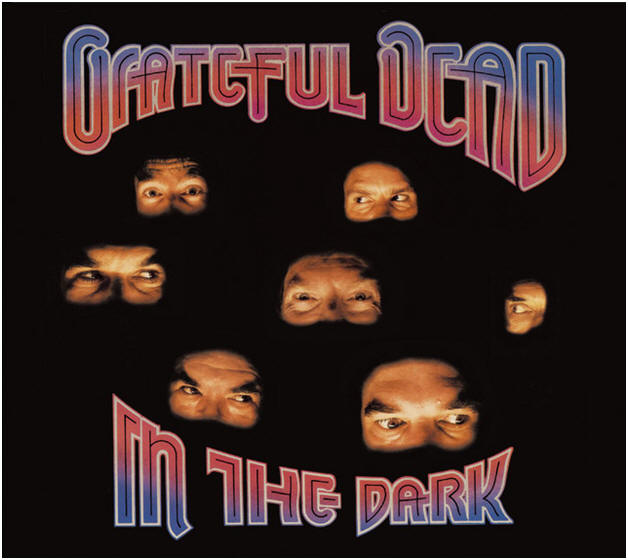
It took the Grateful Dead 22 years to get a top ten hit, “Touch Of Grey”, from their album "In The Dark", on the Billboard charts. I share with my cousin, this story about Bob Weir: "I'm riding with Bob Weir in his car in San Francisco one sunny autumn afternoon. We're talking about songwriting and how do you write a top ten hit. While he’s driving, Bobby is talking about having a hit on the radio and how the Grateful Dead would like to make one of those. Suddenly, he calls my attention to the car in front of us. The license plate reads HIT. "Is that God or coincidence?" Bob asks me.
Iy is o
ne of the weirdest miracles I’ve seen in my life. It happened the night when I am driving my cousin, David Remillard home from a Jerry Garcia concert in Albany, New York.David is a local firefighter who lives on the same farm he grew up on in Schaghticoke, N.Y. On the ride home, we talk about the Grateful Dead and God. I share with him that story about Bob and how the Grateful Dead are different from any other band because of their spirit, magical songs, philosophical connection to God, their universal reach, relevance, and love for all the cultures of mankind.
We ride through Mechanicville, and Stillwater, then get on a long road leading to Schaghticoke. It’s a new moon and cloudy night and there are no lamps or lights out here. I’m talking to David about God because he’s become a disbeliever. I share stories about the Grateful Dead who have helped me understand without question, the existence of God and the Devil. Suddenly, the car stops and we’re out of gas. I’ve never seen it this dark outside and there are no vehicles in sight. We have a flashlight, get out in the darkness, and walk around the car in the middle of nowhere. On the side of the road is a clear plastic bottle with something of amber color in it and my cousin says “Johnny don’t touch that” It’s somebody’s pee, he`s sure. I uncap the container. “It’s gasoline” I tell him. “No it’s not, it’s somebody’s piss,” he replies. “We’ll see when we put it in the tank.” I respond. He is in shock when the car starts, and we remain amazed as the radio comes on and the Grateful Dead’s top ten hit “Touch Of Grey” from their album IN THE DARK is playing, Jerry Garcia singing “We will get by, we will get by, we will survive.” Every cloud has a silver lining and every silver lining a touch of grey.
“Is that God or coincidence?” I ask David.
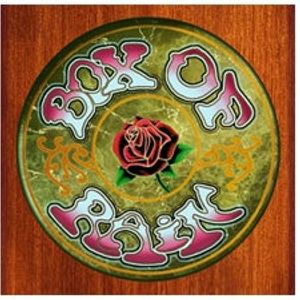
BOX OF RAIN
One night I was at the Shady Grove, a small cafe on Haight Street in San Francisco, to see Robert Hunter perform with his band. Hunter approaches me on the floor and says "I have something to give you". He tells me this story about the song he wrote with Phil Lesh, "Box Of Rain". "When Phil Lesh' dad was dying, Phil wanted to sing a song to him, and he wrote the music and put it on a cassette and gave it to me. As I listened to the music, the words just flowed, in one take. If ever a song wrote itself, this was it."
SIX NIGHTS OF THE FULL MOON
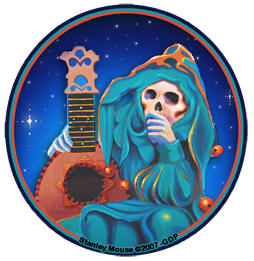
HEAVEN HELP THE FOOL
When I was in Bensalem College I wrote a play “In Search Of The Candlemaker” and played in live performances the part of The Court Jester, sometimes called “The Fool”.
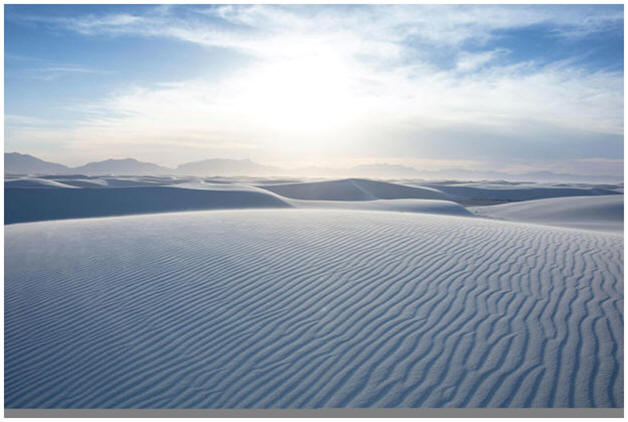
Bob Weir once shared with me a desert story. Bob drove out to the flat sands desert. He said it was the only place where he could go and drive in the open, real fast. Bob´s stories about the desert are thrilling, like his story of walking with Jerry Garcia in the Egyptian desert at night.
I was in San Antone working for a month and was ready for my trip north to New York
but I decided to do a detour west so I could visit The White Sands Desert in New Mexico. I drove my van onto the White Sands as far as I could go. These are sand dunes, not flat sand. I park my van and get out to enjoy the sunny hot desert day. All around me are sand dunes as far as the eye can see, the desert crystal white beautiful grains of sand. I decide to wander a bit and enjoy the outdoor view.I start walking, forgetting my sense of direction is not very good, and when I turn around, I quickly discover I am lost because I cannot locate my van, and the wind has blown my tracks away. Mound after mound of sand in the growing heat, and after awhile of wandering alone in circles, I stop to think about my situation, wondering what Bob Weir would do. I can call for Help, I thought. There was no one in sight, no animal, no bird, plane, or anyone I could see in the sky. I write a message in the sand with my hand and carve big letters B-O-B W-E-I-R and draw big hearts. I look up towards the sun and say out loud, "God, you can read this!" I climb the mound of sand above the writing and look out, and there´s my van, what a relief and awesome sight!
I attended my first live Bob Dylan show at the Oakland Coliseum. I had contacted the Chief of Security who escorted me backstage after the show. Bob Dylan was nowhere in sight, but I did meet impresario, Bill Graham. Bill later put me in contact with Bob Dylan´s publicist, Paul Wasserman, and I flew to Los Angeles to talk to him about meeting Bob Dylan. Dylan, however, had left the agency. I found out there that The Bob Weir Band was playing at The Roxy Theatre that night. I attended the show, and Bob Weir said something interesting between songs. "Just because I need a miracle every day, doesn´t mean I get one!" Later that year the Grateful Dead released a new song "I Need A Miracle" written by John Barlow and Bob Weir, and played for the first time at Red Rocks Ampitheatre in Colorado. It introduced the word "Miracle" to the Deadhead culture, inspiring hope, faith and charity. Someone made a sign that says "I Need A Miracle" and held up the sign and a finger because they needed a ticket to a sold-out show. Many Deadheads followed and it grew to be an integral part of The Terrapin community. Those who couldn´t afford the show or couldn´t get in, would wait and ask for a miracle, and many of them were gifted tickets by people who had extras and could help.
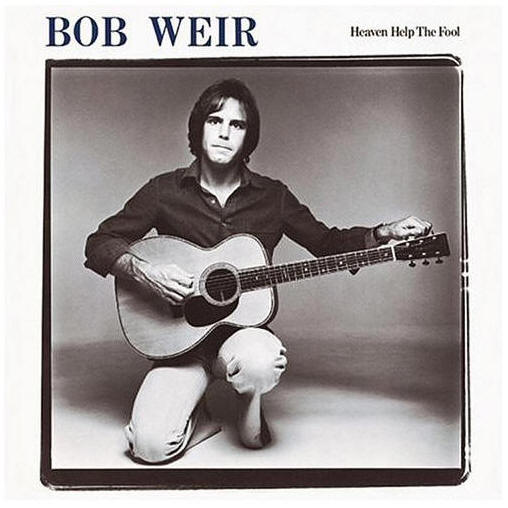
After the show I went backstage. Bobby Cochran was sitting on the couch and Brent Mydland was there, though I did not know who he is because it is before he joined the Grateful Dead, and was providing keyboards for the Bob Weir Band. Weir comes in and walks up to me and says "You know I hardly have time to do my laundry." I say ´his picture and new album "Heaven Help The Fool" covers the windows and walls in all the local record stores. "Just where is heaven?" I ask him and he replies, "Ask Barlow!", and pulls out a piece of paper from his pocket, and writes down John Barlow´s contact information. I thank him.
The following year I went to New York to pick up my step-children, Robert, almost nine, and Mikaela, seven, who were visiting their grandmother, and we travel across country to return to their mother in California. I call John Perry Barlow and tell him we will be passing through Wyoming and ask if we can we come visit him. He says yes. We arrive and I notice there are no gas stations or stores on the road and see he has his own gas pump on The Ranch. As soon as we arrive, Mikaela asks him if he´s the one who wrote "I Need A Miracle". "Yes, I am" he says. The kids go with his kids to play. Barlow shares with me some stories about some of their songs including "I Need A Miracle", "Estimated Prophet" "The Music Never Stopped", "Black Throated Wind", and how and where they wrote the songs to "Heaven Help The Fool". He talks about the prophets Elijah and Ezekiel, poets, and songwriting, musicians including Bob Weir, Jerry Garcia, Phil Lesh and Bob Dylan. He had some surprising things to say too. We´re sitting on his porch and he invites me into his house to see his pyramid.
The Pyramid Room has an energy I never felt before, an amazing overwhelming feeling.
Later, we are sitting in his living room talking when there is an uproar, almost like thunder! John Perry jumps up, looks out the window and sees a stampede. "There´s a break in the fence" he says. He runs outside with his ranch help and go to their motorcycles and vehicles to chase the herd back in, as someone repairs the fence.
John returns and when I ask him the question I asked Bob about Heaven, he answers
"If you want to go for a ride, I'll show you as close as we can get."
Robert and Mikaela get in the back seat of John Barlow’s Cadillac and I ride up front with John. We
take a tour of the ranch. John brings us riders onto the old horse trails sharing his many thoughts. We ride up and around a mountain with these magnanimous views of the ranch he grew up on. The views overlooking the Wind River Mountain range are spectacular and John points out we’re seeing about 7000 acres, less than half of Bar Cross Ranch. We’re in a remote paradise in the northern wilderness of Wyoming. “It’s a state”, John points out “last in the alphabet, and a lot of things, where you’ll find the last of the old west and best of the new.”We talk about “Terrapin, the space between the dark of night and the dawn of day”.
We’re in thick cloudy fog now. John asks me if I have read any of William Blake’s poetry. I said yes, I know some of his poems. John Perry talks about the visionary and pastoral poet. He stops the car. We’re here in the fog, and when we get out of the car we’re able to stick our heads above the cloud. It reminds me of the time it was raining on one side of the street and dry on the other. He takes us to the river bluff, overlooking the Green River. It is different, peaceful, like the most beautiful place I’ve seen on earth it seems to feel at this moment. We're in the heavenly space where the music never stops in our lives, like the wind on the river, it whistles through the pines, an eternal sound, an immortal wind, forever writing in our hearts the memories that take hold, the run of light in the darkness of space, beyond where the great ones gather.
John asks if I want to come with him to the only store, the local liquor barn, and he pulls in to the takeout window there. "Black Jack!" he says with a smile.
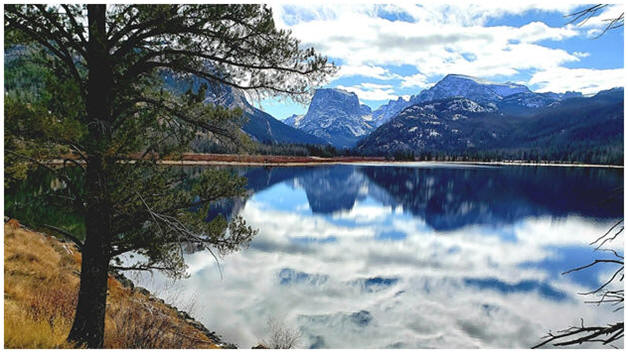
GREEN RIVER, Cora, Wyoming
ALL MATERIAL IN THIS WEBSITE PROTECTED BY:
THE DIGITAL MILLENNIUM COPYRIGHT ACT,
THE COPYRIGHT LAW OF THE U.S.A.
AND BY INTERNATIONAL TREATY PROVISIONS.
ALL RIGHTS RESERVED.